


8 Qualities to Look for When Choosing Firewood for Sale
Choosing the right firewood can affect how efficiently a fire burns, how much heat it produces, and how much maintenance it requires. Whether you need wood for a fireplace, wood stove, outdoor fire pit, or cooking, understanding the qualities of good firewood helps you make an informed purchase. From moisture content and wood species to sizing and storage, several factors deserve consideration before buying. Knowing what to look for in firewood for sale can help you find a dependable supply for heating and recreation.
1. Understanding the Importance of Wood Species
The type of wood you choose affects its heat output, burn time, and overall performance. Different tree species have different densities, which influence how much energy the wood releases as it burns. When comparing firewood for sale, consider which species best suits your heating needs and intended use.
Hardwoods such as oak, maple, and hickory are popular for home heating because they generally burn longer and produce substantial heat. Their density makes them useful for maintaining a steady fire during colder months. However, hardwoods often require a longer seasoning period before they are ready to burn efficiently.
Softwoods, including pine and fir, tend to ignite more easily and burn faster. They can be useful for starting fires or enjoying a short fire outdoors, although they typically require more frequent replenishment.
2. Checking Moisture Content and Seasoning
Moisture content is one of the most important qualities to evaluate when purchasing firewood. Freshly cut wood contains significant amounts of water, which must evaporate before the wood can burn efficiently. Seasoned firewood has been allowed to dry over time, improving its burning performance.
Wet or unseasoned wood can be difficult to ignite and may produce excessive smoke. It can also contribute to creosote buildup inside a chimney or flue, increasing maintenance requirements and the risk of chimney fires. Properly dried wood generally burns more efficiently and provides more usable heat.
Look for these common signs of seasoned firewood:
- Cracked ends: Drying often causes visible cracks to form across the cut ends of logs.
- Lighter weight: Seasoned wood typically weighs less than freshly cut wood of the same species and size.
- Loose bark: Bark may separate from the wood as it dries, depending on the species.
- A hollow sound: Dry pieces often produce a sharper sound when struck together.
These signs provide useful clues, but they do not guarantee that the wood is sufficiently dry. A moisture meter offers a more reliable way to assess moisture content. For most firewood applications, a moisture content of 20% or less is a useful target.
Before purchasing firewood for sale, ask whether the wood has been seasoned and how it has been stored. Confirming that the wood is ready to burn can help prevent frustration and improve fire performance.
3. Evaluating Cleanliness and Overall Wood Quality
Quality firewood should be clean, properly split, and free from excessive debris. Although natural variations in appearance are normal, the condition of individual logs can reveal how carefully the wood has been prepared and handled.
Avoid wood showing signs of extensive decay or soft, crumbling sections. Rotting wood may burn poorly and produce less usable heat. Widespread deterioration can also indicate that the wood was stored in damp conditions for too long.
Look for logs split into manageable pieces with relatively consistent dimensions. Properly prepared firewood is easier to handle, stack, and load into a fireplace or stove. Uniform pieces can also help create a more predictable fire, especially when you need consistent heat for extended periods.
Cleanliness matters during transportation and storage, too. Excessive dirt, loose bark, and debris can create additional cleanup and make handling less convenient. Inspect the wood when possible, and ask the supplier about its preparation and storage practices.
4. Comparing Log Sizes and Cutting Consistency
Firewood dimensions influence how easily logs fit into your fireplace, wood stove, or outdoor fire pit. Pieces that are too long may not fit properly, while oversized logs can be difficult to ignite in smaller appliances.
Measure your appliance's usable firebox dimensions before purchasing. Standard firewood lengths often range from approximately 16 to 18 inches, but the appropriate size depends on the appliance and the supplier's available options.
Splitting consistency is another important consideration. Smaller pieces generally ignite more easily because they expose more surface area to the flame. Larger splits can provide longer-lasting heat once a fire is established, making a mixture of sizes useful for many applications.
Choosing appropriate dimensions makes firewood easier to handle and helps you use it safely. Confirm your requirements before ordering to ensure the wood is suitable for its intended purpose.
5. Assessing Heat Output and Burning Efficiency
Good firewood should provide suitable heat output without requiring constant attention. Wood density, moisture content, and species all influence how much usable energy a fire produces.
Dense hardwoods generally provide more heat per piece than lighter woods of comparable size. Oak, maple, and hickory are commonly selected for sustained heating because properly seasoned pieces can sustain a fire for longer. However, even dense hardwoods perform poorly when they contain too much moisture.
According to Arbor Analytics, wood is the primary home-heating fuel for approximately 1.77 million households in the United States. This demonstrates the importance of dependable firewood for households that rely on wood heat rather than using it only for occasional recreation.
6. Reviewing Quantity, Pricing, and Supplier Transparency
Price matters when buying firewood, but the lowest advertised cost does not always represent the best value. The species, moisture content, dimensions, and total quantity all affect what you receive for your money when comparing firewood for sale.
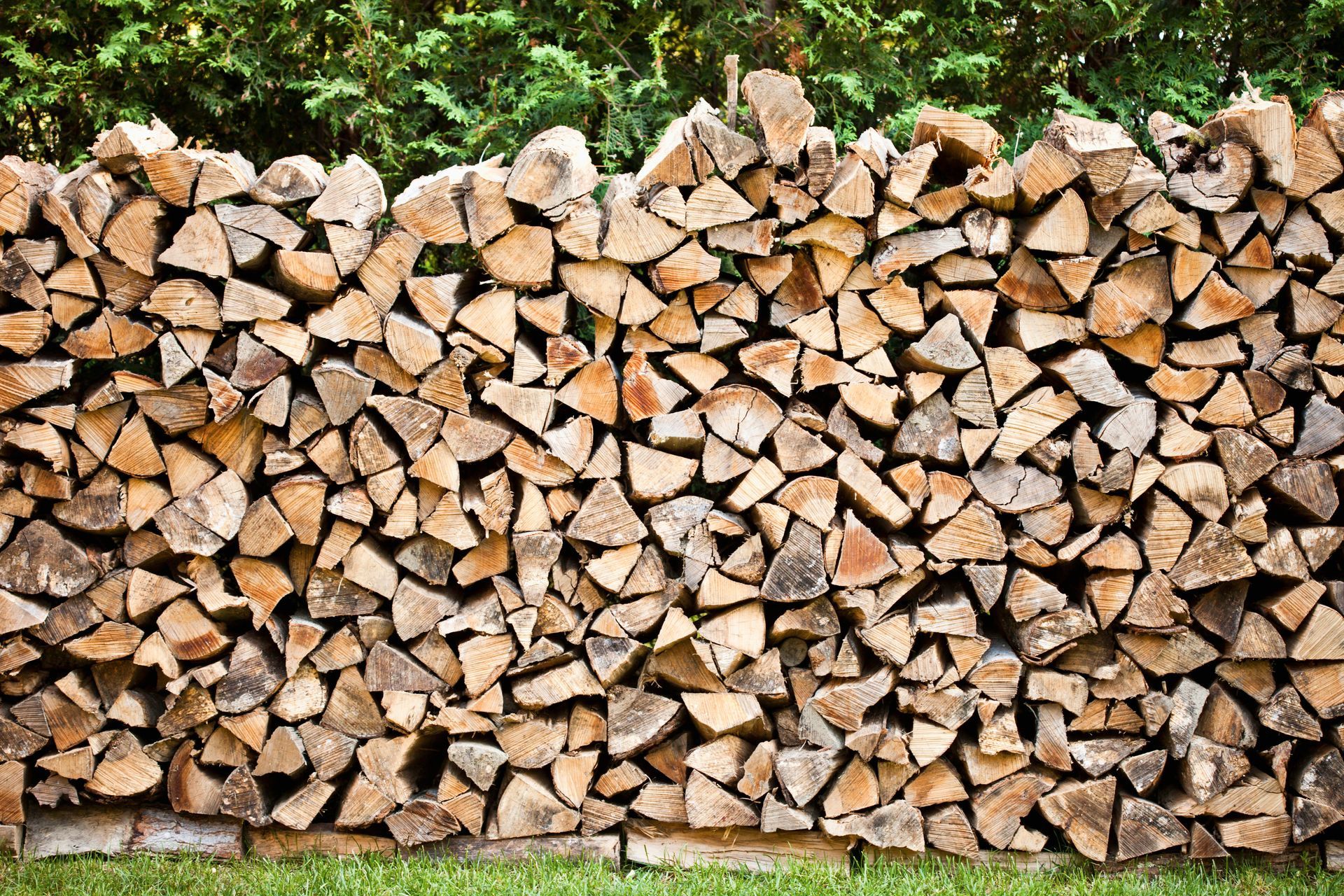
Confirm how the supplier measures and sells its firewood. A full cord is a stacked volume of 128 cubic feet, traditionally arranged in a pile measuring four feet high, four feet deep, and eight feet long. Smaller quantities may be sold as fractions of a cord, bundles, or other clearly defined measurements.
Compare equivalent quantities when evaluating prices. A lower price for a smaller load may ultimately cost more than purchasing a larger quantity elsewhere. Ask whether delivery charges or other fees are included in the quoted price.
7. Considering Storage Conditions and Delivery Options
Even properly seasoned firewood can absorb moisture if stored incorrectly. Rain, ground moisture, and inadequate airflow can reduce wood quality, making storage an important consideration when purchasing a large supply of firewood for sale.
Ask how the supplier stores its wood before delivery. Firewood kept in a well-ventilated area and protected from prolonged exposure to precipitation is less likely to become excessively damp. Kiln-dried firewood can offer additional consistency because controlled drying reduces moisture content before delivery.
Prepare a suitable storage area before your order arrives. Choose a location with good drainage, keep the wood off the ground, and allow air to circulate around the stack. Cover the top while leaving the sides open to support ventilation.
8. Choosing a Reliable Firewood Supplier
A dependable supplier should offer suitable products, communicate clearly, and provide consistent service. Beyond evaluating the wood itself, consider the business's experience, product selection, and approach to customer satisfaction.
Look for a supplier that explains its available firewood options and helps you identify the most appropriate choice. Whether you need wood for indoor heating, backyard gatherings, pizza ovens, or barbecue smoking, choosing the correct product helps you achieve better results when comparing firewood for sale.
Pinnacle Firewood Company is a family-owned business serving Stillwater, Minnesota, and surrounding communities. Its selection includes naturally cured and kiln-dried firewood, premium-grade options, aromatic varieties, and specialty wood for cooking and smoking. The company also offers a satisfaction guarantee and senior and veteran discounts.
Making a Confident Firewood Purchase
Choosing quality firewood involves more than comparing prices or selecting the first available load. Wood species, moisture content, cleanliness, log dimensions, heat output, storage conditions, and supplier reliability all contribute to a satisfactory purchase. Evaluating these qualities helps you find wood that suits your needs and provides dependable value throughout the season.
Whether you need a steady supply of firewood for sale for winter heating or a smaller quantity for outdoor activities, selecting the right product can make every fire easier to manage. Contact Pinnacle Firewood Company to explore its firewood options, request a free estimate, and find the right wood for your needs.
Share On: