


Choosing Firewood for Sale that Keeps Your Home Warm
Choosing the right firewood is essential for maintaining a comfortable home throughout the colder months. Different wood species produce varying amounts of heat, burn at different rates, and require different preparation before use. Homeowners shopping for firewood for sale should consider factors such as wood type, moisture content, and overall quality to get the most from each purchase. Understanding these differences can help you choose firewood that provides dependable warmth and an enjoyable burning experience.
Comparing Hardwood and Softwood Options
The type of wood you choose significantly affects how efficiently your fireplace or wood-burning stove produces heat. Hardwoods are generally preferred for home heating because they are denser than softwoods, allowing them to burn longer and produce more heat per unit volume.
Popular hardwood options include:
- Oak: Known for its density and long burn time, oak produces substantial heat and helps maintain consistent indoor temperatures.
- Hickory: This dense hardwood produces high heat output and is often valued for its long-lasting burn.
- Maple: Available in several varieties, maple provides reliable heat and is a practical option for regular fireplace use.
- Ash: This hardwood burns relatively well and is known for producing consistent heat when properly seasoned.
- Birch: Birch ignites relatively easily and produces a pleasant flame, making it a useful option for residential fireplaces.
Softwoods, including pine, cedar, and spruce, can also serve a purpose. They ignite quickly and work well for starting fires, but they burn faster than hardwoods. Homeowners looking for firewood for sale should consider how different species fit their heating needs rather than choosing based on price alone.
Prioritizing Properly Seasoned Firewood
Moisture content is one of the most important factors affecting firewood performance. Freshly cut wood contains considerable moisture, which makes it more difficult to ignite and reduces the amount of usable heat produced during combustion. Much of the fire's energy must go toward evaporating water rather than warming the home.
Seasoned firewood has been dried to reduce its moisture content, allowing it to burn more efficiently. Properly dried wood generally produces more consistent heat, creates less smoke, and helps reduce creosote buildup in chimneys.
Homeowners can look for several signs of properly seasoned firewood:
- Cracks or splits along the ends of the logs
- A lighter weight compared with freshly cut wood
- Darker or weathered coloring on the exterior
- A hollow sound when two pieces are knocked together
- Less visible moisture on freshly exposed surfaces
For an even more reliable assessment, a moisture meter can help determine whether the wood is sufficiently dry. A moisture content of approximately 20% or less is generally recommended for burning.
When comparing firewood for sale, ask whether the wood has been naturally seasoned or kiln-dried. Both processes reduce moisture, but kiln drying uses controlled heat to accelerate drying and can provide a consistent finished product.
Choosing Wood Based on Heat Output
Not all firewood produces the same amount of heat. Wood density and moisture content both influence how much energy is released during burning. Choosing a species with a high heat value can help homeowners maintain comfortable temperatures without constantly adding more logs.
According to Almanac.com, a cord of firewood with a high heat value can provide approximately the same amount of energy as burning 200 to 250 gallons of heating oil. This comparison demonstrates why choosing dense hardwoods can be beneficial for homeowners who regularly rely on wood for supplemental heating.
Some of the highest-heat-producing firewood varieties include:
- Shagbark hickory
- White oak
- Red oak
- Sugar maple
- American beech
- White ash
Medium-heat options, such as black cherry, red maple, and white birch, can also provide dependable warmth. Lower-density woods may be better suited for shorter fires or situations where quick ignition is more important than extended heat output.
Homeowners should consider their fireplace or stove requirements when choosing firewood for sale. Choosing an appropriate wood species can help balance burn time, heat production, and overall convenience.
Understanding Firewood Measurements and Quantities
Knowing how firewood is measured can help homeowners avoid confusion when comparing prices and purchasing larger quantities. Firewood is commonly sold by the cord, a standard measure of stacked wood.
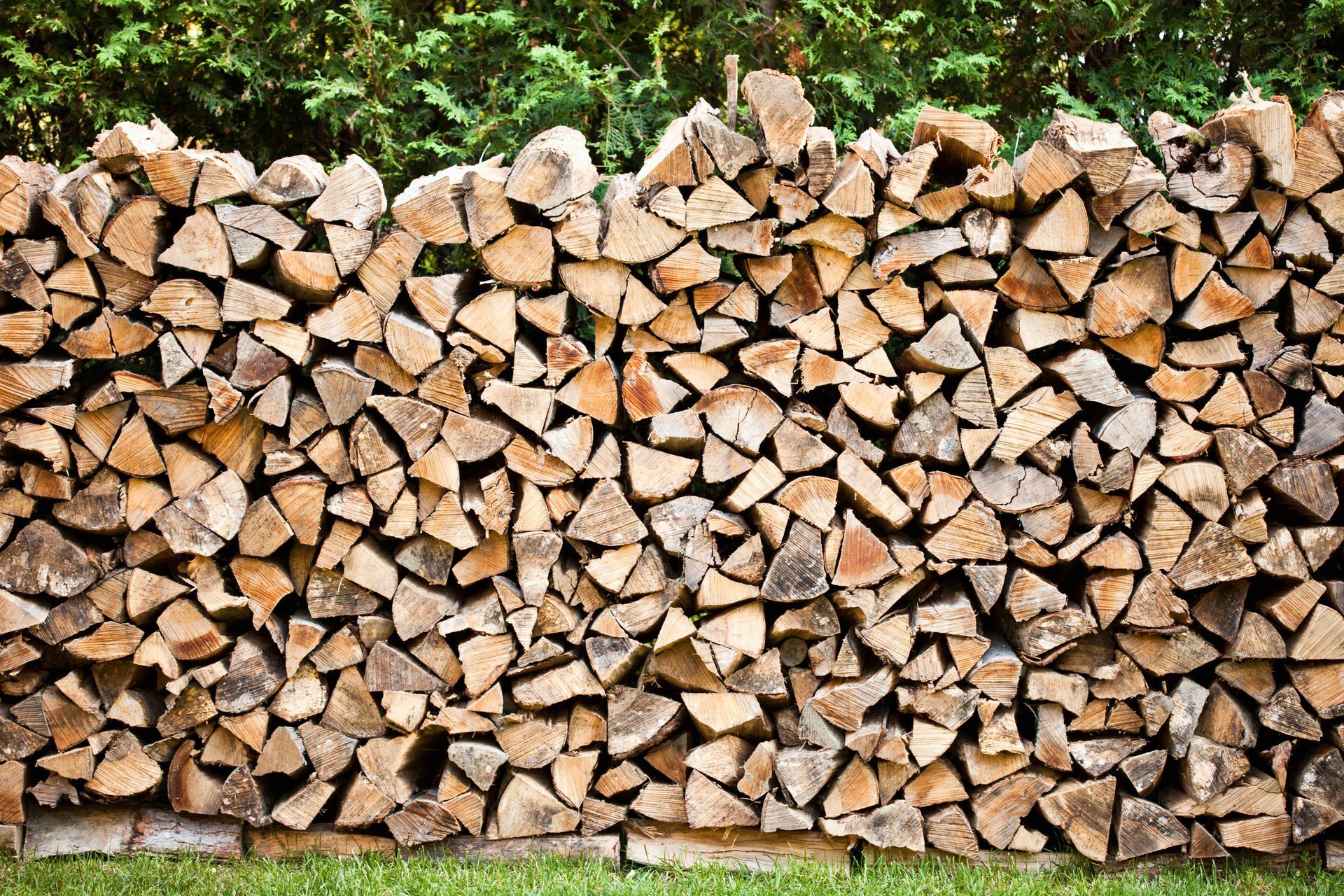
A full cord contains 128 cubic feet of stacked firewood. A typical arrangement measures four feet high, four feet deep, and eight feet long. However, other measurements, including face cords and partial cords, are also commonly used.
Before placing an order, homeowners should clarify:
- Total volume: Confirm how much wood is included in the purchase.
- Log length: Make sure the pieces will fit inside the fireplace, wood stove, or outdoor heating appliance.
- Cut-and-split condition: Determine whether the wood is ready to burn or requires additional preparation.
- Stacking arrangement: Understand how the delivered quantity will be measured and arranged.
These details make it easier to compare different suppliers and determine how much wood is needed for the season. Pinnacle Firewood Company provides written receipts that verify the species and exact quantity purchased, helping customers understand what they are receiving.
Choosing the Right Firewood for Your Heating Needs
Every household has different heating requirements, so the best firewood choice depends on how frequently the fireplace or stove is used. Homeowners who rely on wood as a primary or supplemental heat source may benefit from purchasing dense hardwoods that provide longer-lasting warmth. When comparing firewood for sale, consider which wood species will provide the most practical combination of heat output and burn time.
Those who use their fireplaces occasionally may prefer a combination of hardwoods and quicker-burning options. This allows them to start fires easily while still having denser wood available for maintaining heat.
Consider these factors when planning a purchase:
- Heating frequency: Homes that use wood daily may require larger quantities of dependable hardwood.
- Appliance compatibility: Log length and wood type should be appropriate for the fireplace or stove.
- Available storage: The amount of covered, well-ventilated storage space can influence how much wood you purchase.
- Seasonal demand: Ordering before peak winter demand can make planning easier.
Pinnacle Firewood Company offers several options, including premium-grade hardwoods, kiln-dried firewood, and naturally cured varieties. Choosing the right combination can help homeowners prepare for different heating needs throughout the winter.
Storing Firewood to Maintain Its Quality
Even properly dried firewood can absorb moisture if stored improperly. Exposure to rain, snow, and damp ground can reduce its burning quality and create conditions that encourage mold or rot.
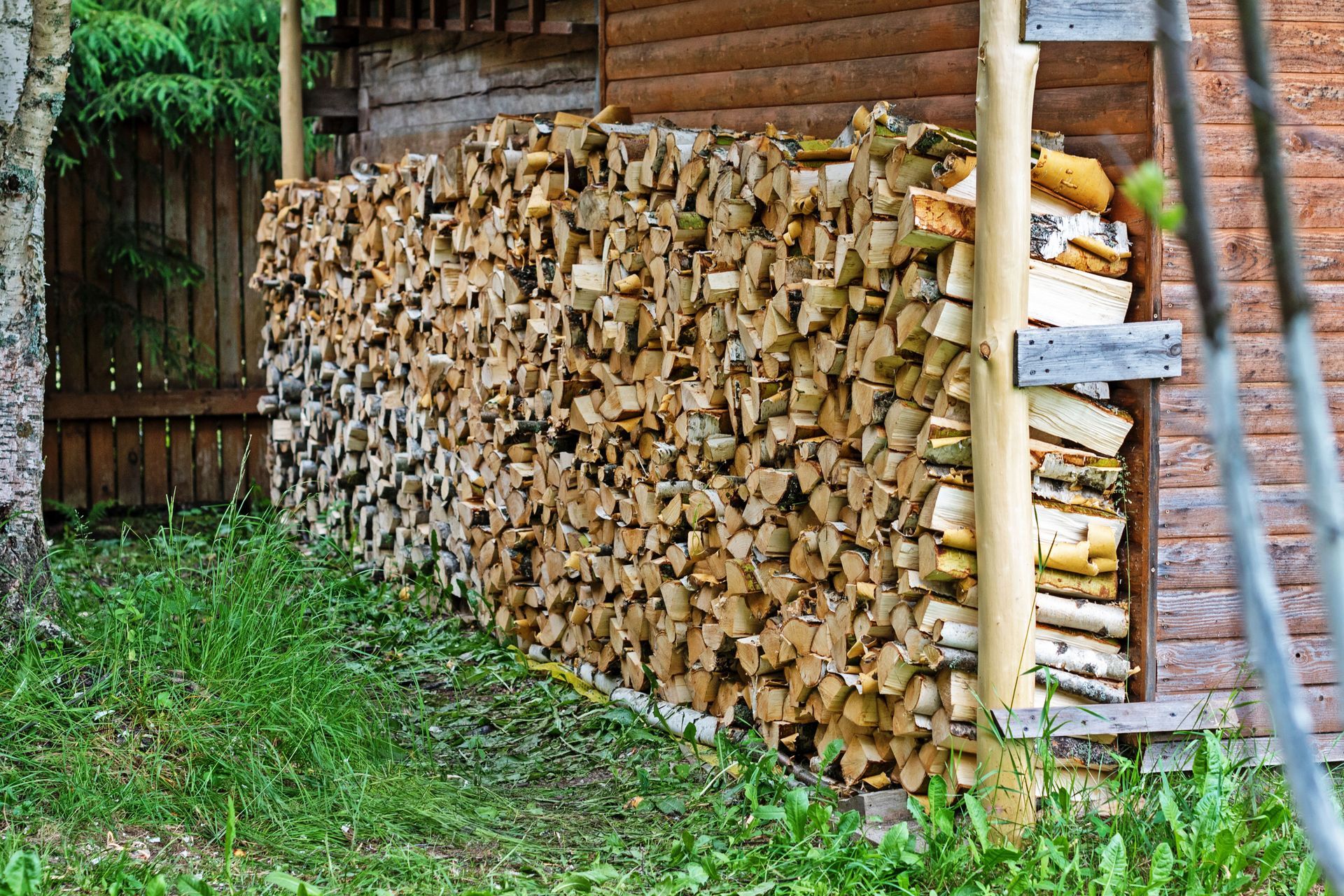
Homeowners should store firewood in a dry location with adequate airflow. A raised rack or platform helps prevent moisture from entering the bottom of the stack, while a protective cover can shield the wood from precipitation.
When organizing a firewood storage area, follow these practices:
- Keep stacks elevated above the ground.
- Arrange logs loosely enough to encourage air circulation.
- Cover the top of the stack while leaving the sides open.
- Store firewood away from exterior walls when possible.
- Keep only a manageable supply indoors to reduce the possibility of introducing insects.
Proper storage helps preserve the quality of firewood for sale and ensures that purchased wood remains ready to burn when temperatures drop.
Keeping Your Home Warm With Quality Firewood
Choosing the right firewood involves more than finding an affordable supplier. Wood species, moisture content, heat output, quantity, and storage conditions all influence how effectively firewood keeps a home comfortable. By prioritizing properly dried hardwoods and purchasing from a dependable provider, homeowners can enjoy more consistent warmth throughout the colder months. Contact Pinnacle Firewood Company to explore quality firewood for sale and find the right options to keep your home warm all winter.
Share On: