


Cooking with Firewood: 3 Tips for a Great Meal
Cooking with Firewood: 3 Tips for a Great Meal
Cooking with firewood is an age-old tradition that brings rich, authentic flavors to food, offering an experience that is both rustic and rewarding. Cooking over natural logs connects modern culinary preparation with traditional methods, imparting subtle smoke and deep savory profiles that gas or charcoal cannot match. According to Grand View Research, the residential heating and cooking segment dominated the American fuel wood market in 2024, and accounted for a revenue of $3.6 billion.
Beyond distinct flavor advantages, wood cooking encourages mindful, sustainable burning habits. Sourcing properly aged, clean wood minimizes waste, reduces smoke particulate output, and optimizes thermal efficiency. The following sections walk through each stage of the process, from fuel selection and ignition to specialized tools and flame safety.
1. Premium Hardwood Fuel
Select Culinary Woods
Dense hardwoods are the foundation of high-performance cooking fires, providing sustained heat outputs and clean, aromatic smoke. Oak serves as a dependable culinary fuel, offering a balanced flavor and high BTU output suited for high-temperature wood-fired pizza ovens and slow-cooked roasts alike. Hickory provides a richer, more assertive smoke profile that complements barbecued pork and beef cuts. Dedicated smoking woods, such as post oak, pecan, or hickory sourced from premier regions like Texas and Oklahoma, allow you to tailor smoke density directly to specific recipes.
Season and Dry Properly
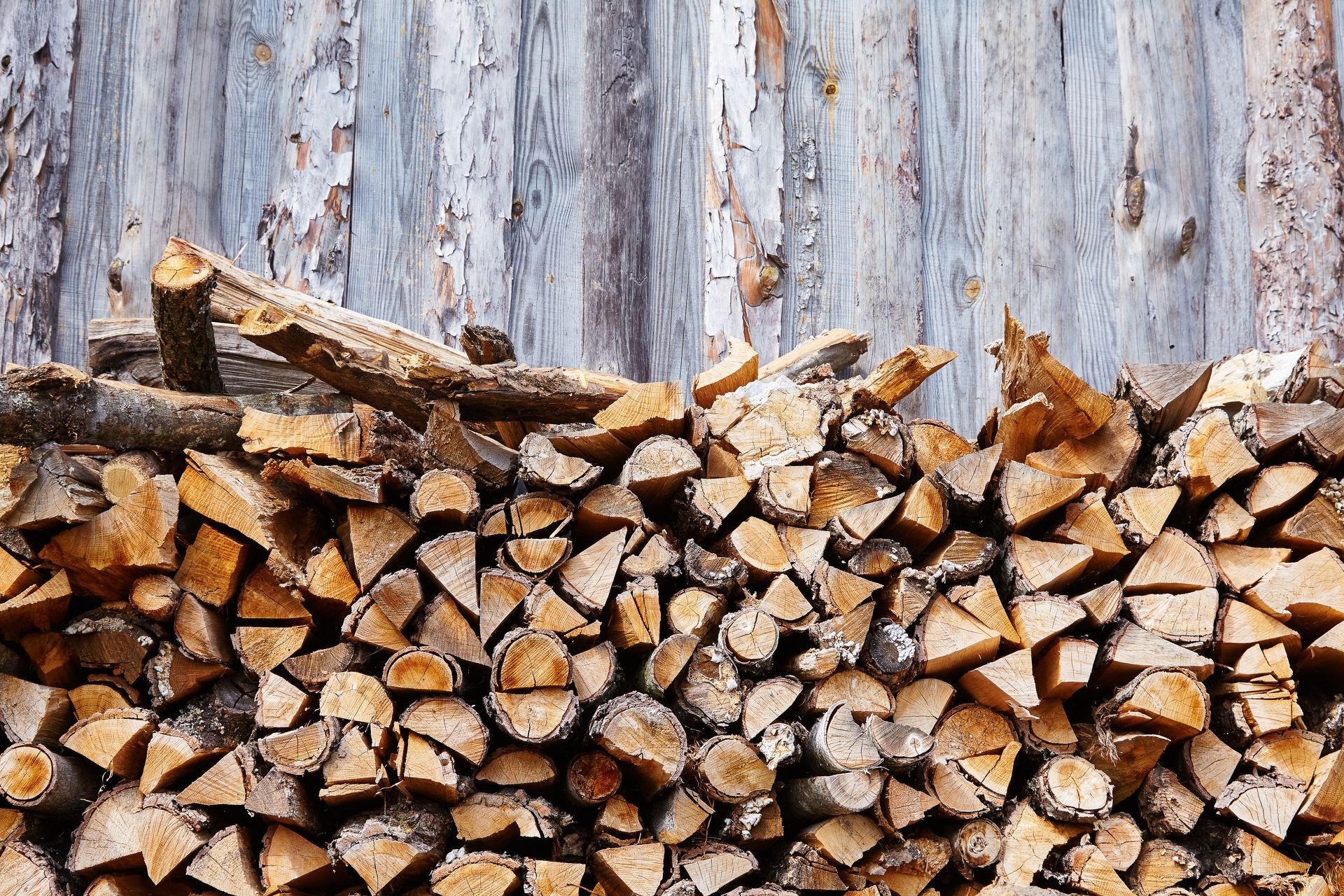
Moisture content dictates whether the cooking fire burns hot and clean or smothers in acrid smoke. Freshly cut, green logs retain internal sap and water that absorb thermal energy, producing heavy smoke and creosote buildup. For naturally air-seasoned materials, dense hardwoods require extended aging to bring moisture levels down to an ideal burning threshold. This natural process often spans one and a half to two and a half years.
For immediate cooking readiness without natural drying delays, kiln-dried firewood offers a reliable alternative. Controlled thermal processing brings the logs to a consistently low moisture content while sterilizing every split. This process eliminates insects, mold, and fungal spores, leaving clean-handling splits that ignite quickly, burn hotter, and produce the steady bed of coals required for hearth and oven cooking.
Stack and Store Correctly
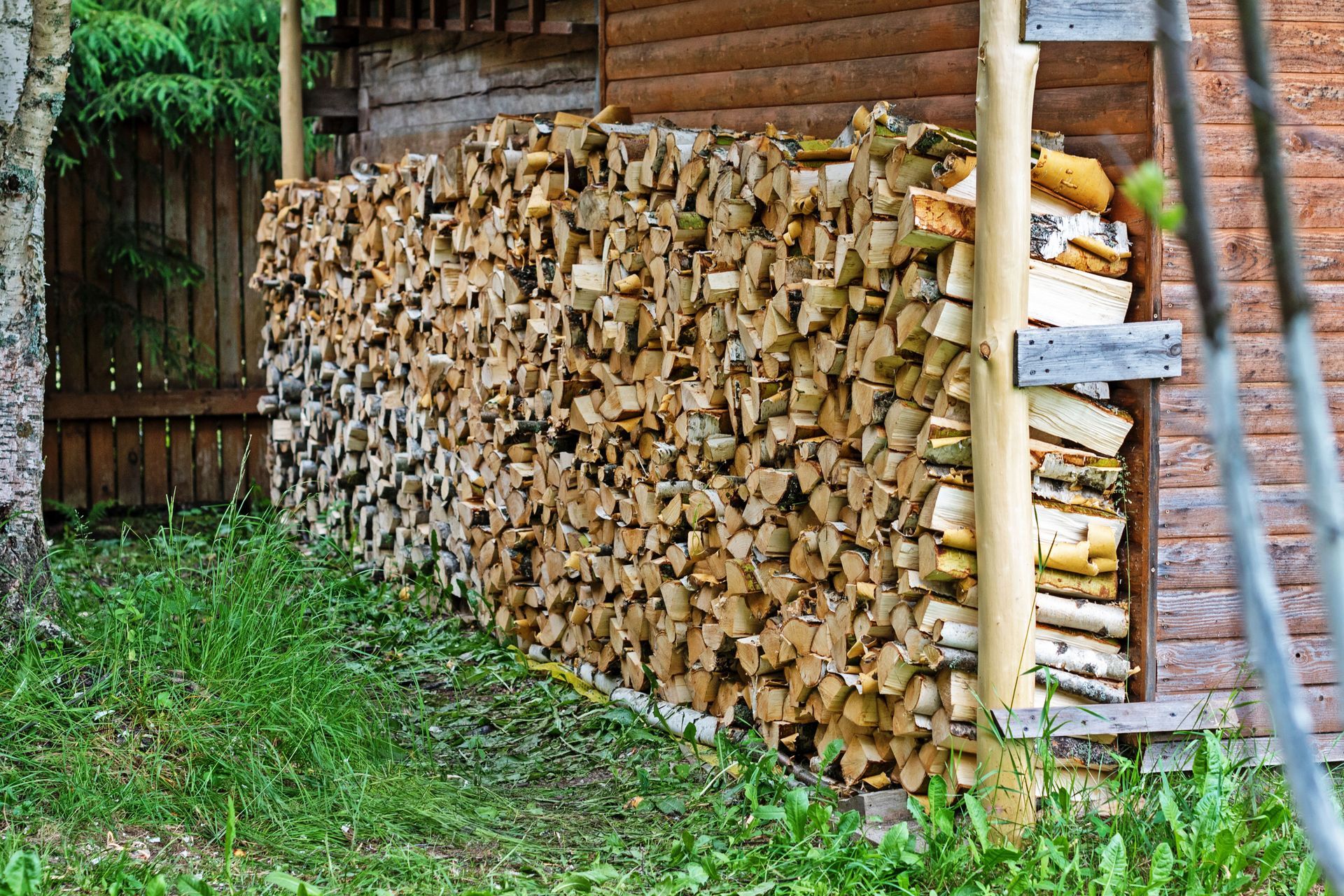
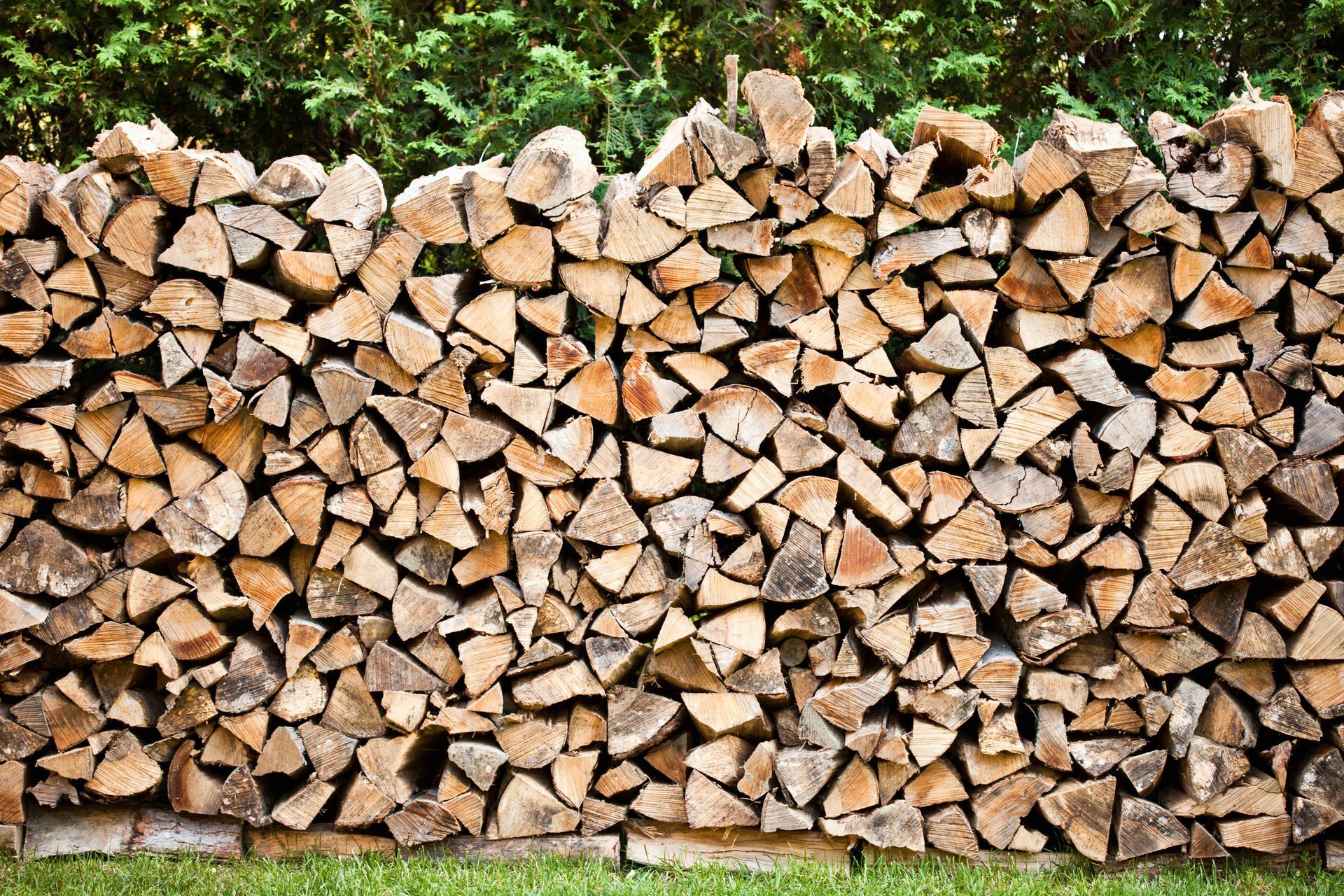
Proper wood storage maintains fuel quality and ensures your logs are immediately ready for the fire. Store cooking logs off the ground in a well-ventilated, covered area to prevent groundwater absorption and decay. Stacking firewood neatly in compact, parallel rows stabilizes the pile and makes it straightforward to determine accurate volume. By contrast, random crisscross arrangements introduce excessive voids and destabilize the structure.
Cover the top of the stack with a tarp or lean-to roof to shed rain and snow, leaving the sides open to maintain continuous airflow. Rotate older seasoned logs toward the front of your rotation to prevent long-term degradation. Checking the woodpile periodically ensures that moisture does not accumulate under the cover.
Explore Regional Smoke Varieties
While local native hardwoods provide an exceptional base for steady heat, specialty regional wood species broaden your cooking versatility. Sourcing regional varieties from recognized wood-producing regions allows home chefs to match specific woods to culinary tasks. Ensure any regional logs brought into your supply are properly processed and kiln-dried to comply with transport guidelines and eliminate pests. High-quality fuel prevents unexpected flavor taints across your dishes.
2. Controlled Open Flames
Pick a Safe Site
A safe, controlled fire location is the starting point for open-flame cooking. Select a level, stable surface clear of overhanging branches, dry grass, and combustible structures. Position your fire pit or cooking hearth where natural landscape features or windbreaks buffer intense gusts without suffocating natural drafts. Maintain an unobstructed workspace around the perimeter so cooking utensils, fuel, and safety gear remain easily reachable.
Build an Efficient Layout
How you arrange your fuel directly dictates oxygen flow and ignition speed. For rapid ignition, build a standard kindling base using dry kindling sticks beneath split logs. When preparing coals for direct grilling or Dutch oven cooking, a parallel log layout allows air to circulate between splits while fostering an even, compact bed of hot coals as the logs burn down. This foundation provides steady radiation throughout the cooking cycle.
For high-heat applications like searing or preheating a pizza oven, build a loose log cabin structure with smaller splits centered over dry kindling. This structure promotes vertical airflow, generating rapid flame propagation and heating surrounding masonry or cooking surfaces quickly. Experimenting with different configurations helps you match the flame profile to your chosen recipe.
Ignite the Fire Cleanly
Start your fire using clean, chemical-free fire starters, dry wood shavings, or natural kindling. Avoid chemical lighter fluids or accelerants, as these substances saturate the pit and impart petroleum odors to food. Light the kindling from the bottom, allowing heat to rise naturally through the smaller wood pieces before adding medium-sized hardwood splits. This gradual approach creates an enduring core of heat.
Allow the primary flame to establish stable combustion before adding larger hardwood splits. Rushing this step by overloading small fires suffocates the flame, producing thick smoke and prolonging your preheat time. Taking a deliberate approach ensures that the fire catches evenly from the very beginning.
Manage Coals and Heat Zones
Open-flame cooking generally relies on glowing coals rather than tall, active flames. Once your wood burns down to red-hot embers, use heavy fire tongs or an ash poker to organize the coals into strategic temperature zones. Bank coals to one side to create high-heat searing zones and low-heat indirect cooking areas across your grate. This dynamic arrangement gives you precise temperature flexibility across the surface.
To sustain steady temperatures during extended roasts, feed the fire with small, preheated hardwood splits one at a time. This replenishes the coal base without dropping ambient cooking temperatures or introducing flare-ups. Paying close attention to the flame balance preserves consistent heat for hours.
Extinguish the Embers Safely
When cooking is finished, allow the fire to burn down naturally to fine ash whenever feasible. To extinguish outdoor cooking beds completely, spread remaining coals across the pit and douse them gradually with water, stirring the slurry with an iron poker until steam stops rising. Never abandon a fire pit until all ashes are cold to the touch and safe from flare-ups. Taking these precautions protects both your property and surrounding natural areas.
3. Essential Culinary Gear
Choose Sturdy Cookware
High temperatures from hardwood embers require heavy-duty cooking gear. Heavy cast iron pans, Dutch ovens, and thick stainless steel grates withstand direct exposure to open embers without warping. Cast iron provides superior heat retention, searing meats evenly and maintaining cooking temperatures when cold ingredients are introduced. Adjustable-height cooking grates give you granular control over thermal intensity, letting you raise delicate dishes away from hot spots or lower items closer to glowing coals.
Equip Reliable Tools
Managing firewood effectively requires reliable instruments designed for high-heat environments. Essential tools include long-handled forged iron tongs, an ash rake, and a poker for safely repositioning hot splits and coals. Wear heavy-duty, heat-resistant leather hearth gloves when handling hot pans or adjusting burning logs. Keep a dedicated fire-rated extinguisher or a full water bucket nearby to manage unexpected embers quickly.
Achieving exceptional flavor and steady heat ultimately comes down to the quality of your fuel. Relying on quality firewood prevents frustrating temperature drops while producing clean, aromatic smoke that elevates every dish. Whether you are firing up a backyard pizza oven, managing a commercial smoker, or grilling over open embers, Pinnacle Firewood Company provides premium kiln-dried and seasoned hardwoods cut to deliver peak performance. Contact us to learn more about our culinary firewood selections and find the ideal split for your kitchen or pit.
Share On: